
Are you concerned about the stability and durability of your shade canopy – especially in windy conditions? Here are 7 ways you can make umbrellas stronger, and prevent weather-induced damage in your backyard.
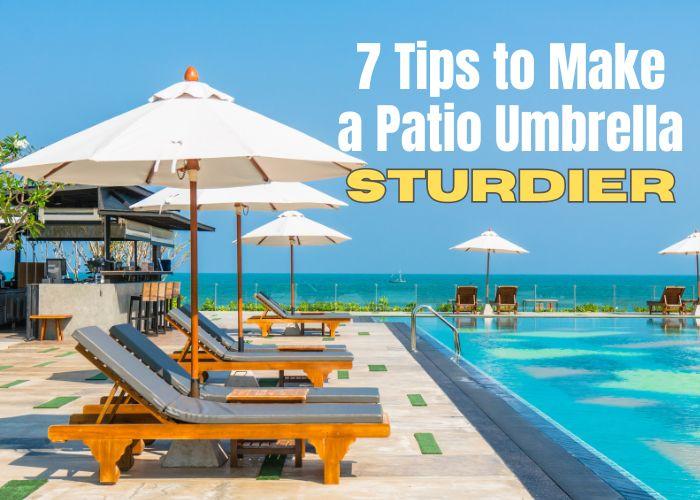
When it comes to facing fickle weather conditions, a sturdy umbrella is an absolute necessity. A flimsy or poorly crafted one won’t provide the protection you need against rain, wind, and harsh sunlight. To ensure you stay dry and shielded from the elements, it’s crucial to invest in a high-quality umbrella that can withstand any weather challenge.
Let’s explore the essential characteristics that distinguish a superior umbrella from the rest:
Essential Features for the Best Sturdy Umbrella
When selecting a top-quality umbrella, focus on key features that ensure durability and long-lasting protection. As an expert in outdoor gear, I know firsthand the importance of investing in a sturdy umbrella that can withstand any weather conditions.
- Robust Frame: Look for umbrellas with reinforced ribs crafted from materials like fiberglass or metal. These materials offer exceptional strength and durability, ensuring your umbrella can handle strong winds without bending or breaking.
- Resilient Canopy: Opt for high-quality, water-resistant fabrics such as polyester or nylon that repel water and provide UV protection. This will keep you dry and shielded from harmful sun rays.
- Comfortable Grip: Seek handles with ergonomic designs and non-slip grips to maximize comfort and control during windy conditions.
- Effortless Opening Mechanism: Choose umbrellas with push-button or crank systems for hassle-free operation.
- Size Versatility: Consider the size of the canopy based on your specific needs and opt for compact folding options if portability is important.
By focusing on these essential features, you’ll find a sturdy umbrella that meets all your requirements while providing reliable protection against harsh weather conditions.
1. Choose a Strong, Stable Base:
Start by making the bottom of your umbrella pole heavy-weighted. A steadfast base is fundamental in ensuring stability and resilience against windy conditions.
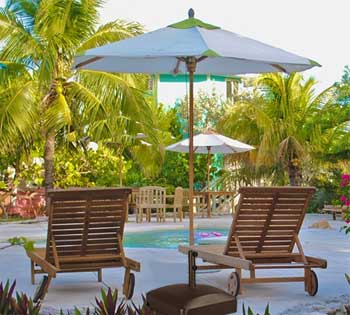
Consider investing in a heavy-duty stand crafted from durable materials such as concrete, cast iron or a fillable water container. These materials provide substantial weight, anchoring the umbrella securely in place and preventing it from tipping over or being carried away by strong gusts.
Prioritize selecting a base that is sufficiently heavy to support the weight of the umbrella and withstand the forces exerted by unpredictable weather elements. By choosing a solid base, you lay the groundwork for a secure and more reliable patio umbrella.
Assembly Time Required: Approximately 15 minutes
Project Cost: From $50 to $300 on average
NOTE: Water-filled bases cost less are are surprisingly stable. Plus, the wheeled versions allow you to easily roll them around your backyard without having to pick up a 100-lb weight. Best Choice Products (BCP) sells a reliable one for under $80 (product #SKY5897 / SKY6194).
Pros:
- Mobility: The wheels enable effortless relocation of the umbrella, facilitating easy adjustments for optimal shade. For example, you can use a single sunshade for use by the pool and for dining on a patio. In addition, this function makes indoor storage during harsh weather effortless.
- Security: The weighted base ensures a stable foundation, reducing the risk of tipping or movement in moderate winds. Thus, you can worry less about injuries to friends, broken furniture or messes to clean up after a wind gust.
- Flexibility: With the umbrella’s fluid movement, users can adapt its position to suit changing sunlight angles or shifting seating arrangements.
Cons:
- Moderate Stability in Strong Winds: While adequate for moderate winds, umbrella bases on wheels may lack the necessary stability during exceptionally windy conditions. In which case, you want to keep the canopy closed for safety.
- Unintended Shifting: The wheels may move unexpectedly when not properly locked, particularly on uneven surfaces or when encountering external forces like accidental bumps or gusts of wind.
- Flooring Damage Risk: Without careful handling, the wheels on the umbrella base could create black marks on delicate flooring surfaces such as hardwood or tile.
Below is a comprehensive chart that outlines the correlation between canopy size, base weight and estimated wind speed resistance, adhering to widely accepted industry standards and recommendations:
| Canopy Size (ft) | Weight of Base (lbs) | Estimated Wind Speed Resistance (mph) |
|---|---|---|
| 7′ | 70-80 lbs | Up to 15 mph |
| 8′ | 80-90 lbs | Up to 15 mph |
| 9′ | 90-100 lbs | Up to 15 mph |
| 10′ | 100-110 lbs | Up to 15 mph |
| 11′ | 110-120 lbs | Up to 15 mph |
| 12′ | 120-130 lbs | Up to 15 mph |
Ultimately, the decision to use a weighted umbrella base depends on factors such as the typical weather conditions in the area, the frequency of repositioning the umbrella, and the specific needs and preferences of the user.
2. Secure it Properly:
I’ve learned through experience with my own umbrellas that securely fastening the pole to the base is crucial for stability and safety. Most umbrellas are equipped with screws or bolts specifically designed to anchor the pole firmly within the base. It’s important to regularly tighten these fasteners to prevent the umbrella from wobbling or tipping over, which can occur due to wind or regular movement.
Additionally, it’s wise to periodically check these screws, as they can gradually loosen over time, particularly if the pole does not fit perfectly into the stand. A wobbling umbrella in the wind often signals that it’s time to tighten the hardware, ensuring your umbrella remains stable and functional.
Missing Screws? No problem! You can buy replacement screws on Amazon. Plus, this $7 kit includes screws and multiple sleeve inserts, so that you can create a snug fit for a loose umbrella pole.
Adjustment Time Required: 60 seconds
Cost: Free
3. Reinforce the Frame:
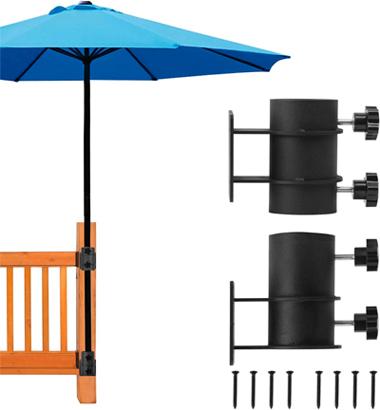
If your umbrella frame lacks strength, there are methods to reinforce it for added support. One approach is to utilize duct tape to securely bind the joints of the frame, providing temporary reinforcement.
Alternatively, for a more permanent solution, consider installing metal braces to bolster the structure’s strength.
These stainless steel brackets are designed to attach to a 4×4 deck post to provide additional support and stability. Consequently, you don’t have to buy an umbrella stand to have a secure and safe sunshade.
Project Time Required: Typically 30-60 minutes
Cost for Materials: Free for temporary fix up to $55 for permanent
4. Choose a Cantilever Design:
Selecting a cantilever umbrella for your patio enhances both stability and spatial efficiency. Unlike traditional center-pole umbrellas, cantilever designs feature a side-mounted pole, which maximizes the usable space beneath the canopy.
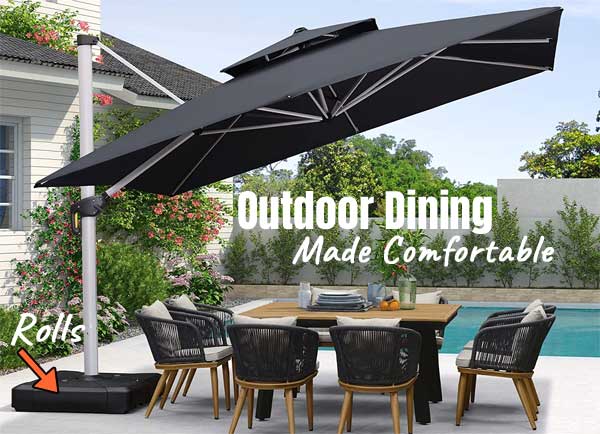
With its pole-free design, this cantilever umbrella allows for versatile positioning over tables, seating areas, or pool decks. The sturdy base evenly distributes the canopy’s weight, minimizing tipping in windy conditions and providing a wider range of motion for dynamic outdoor settings.
5. Pros & Cons of Using Guy Lines:
Guy lines are ropes or cables attached to the top of the umbrella and anchored to the ground. They help stabilize the umbrella and prevent it from swaying or toppling over in strong winds.
But what if you’re setting up on a deck? Experts use aluminum deck tension tie-downs. These handy gadgets only cost about $1.50 apiece, and they enable you to secure guylines between your deck boards without screws, nails or drilling.
Pros:
- Improved Stability: Anchor lines add crucial support to umbrellas, minimizing the chance of them tipping over or sustaining damage in harsh winds.
- Augmented Safety: Firmly anchoring the umbrella with guy lines mitigates the risk of accidents and injuries from sudden shifts or collapses.
- Adaptive Positioning: The use of tethers grants the flexibility to adjust the umbrella’s placement, ensuring maximum shade while keeping it stable under different wind scenarios.
Cons:
- Aesthetics: Guy lines can compromise the visual appeal of an outdoor area, particularly when they are disorganized or entangled.
- Safety Concerns: Anchor lines across walkways or frequently used areas present a significant tripping risk, especially in dim lighting or when visibility is poor.
- Setup Complexity: The installation and tensioning of guy lines demand considerable time and effort, potentially posing an inconvenience, especially during quick setups or under challenging weather conditions.
Overall, while guy lines can significantly improve the stability of a patio umbrella in windy conditions, users should weigh the benefits against the potential drawbacks and consider their specific needs and preferences before deciding whether to use them.
Activity Time: Usually 45- 60 minutes
Materials Cost: About $10 to $15
6. Consider a Wind Vent:
Certain umbrellas feature built-in wind vents positioned at the top. These “wind escapes” serve a pivotal purpose by allowing air to flow through. Thus, effectively reducing the pressure exerted on the canopy during windy conditions.
By facilitating the passage of wind, these vents minimize the risk of the umbrella being lifted or damaged by strong gusts. This design feature enhances the umbrella’s stability and durability, allowing it to remain securely anchored and functional even in challenging weather.
Also see: Key Features of Wind-Resistant Patio Umbrellas
7. Practice Preventative Maintenance:
Over time, exposure to various weather changes and frequent use can lead to wear and tear on different parts of the umbrella. By routinely examining the sunshade for any signs of damage or deterioration, you can identify issues early on and take corrective action promptly.
Replacing damaged or worn-out parts plays a significant role in maintaining the umbrella’s stability and functionality. Components such as fabric, frame joints and mechanisms may weaken or deteriorate over time, compromising the umbrella’s ability to withstand wind and other environmental factors. How to repair your patio umbrella in 3 steps.
TIP: Treat the fabric with a waterproofing spray (like 303 Fabric Guard) to protect it from rain and moisture, increasing its longevity. It acts like a shield, and is recommended for Sunbrella. I personally use it on my own umbrellas.
Summary:
In conclusion, designing a durable and sturdy structure that can withstand strong winds is essential, especially when using your umbrella outdoors. Key features such as reinforced construction, heavy-duty steel frames and wind-resistant designs offer peace of mind in outdoor settings.
Last Updated May 4, 2024


