
If you’ve ever set up your patio perfectly—table centered, umbrella open, chairs aligned—and then found yourself dragging your chair across the deck an hour later just to stay in the shade… you’re not alone.
This is one of the most common frustrations I see. People assume shade is something you set once. In reality, shade is something you manage throughout the day.
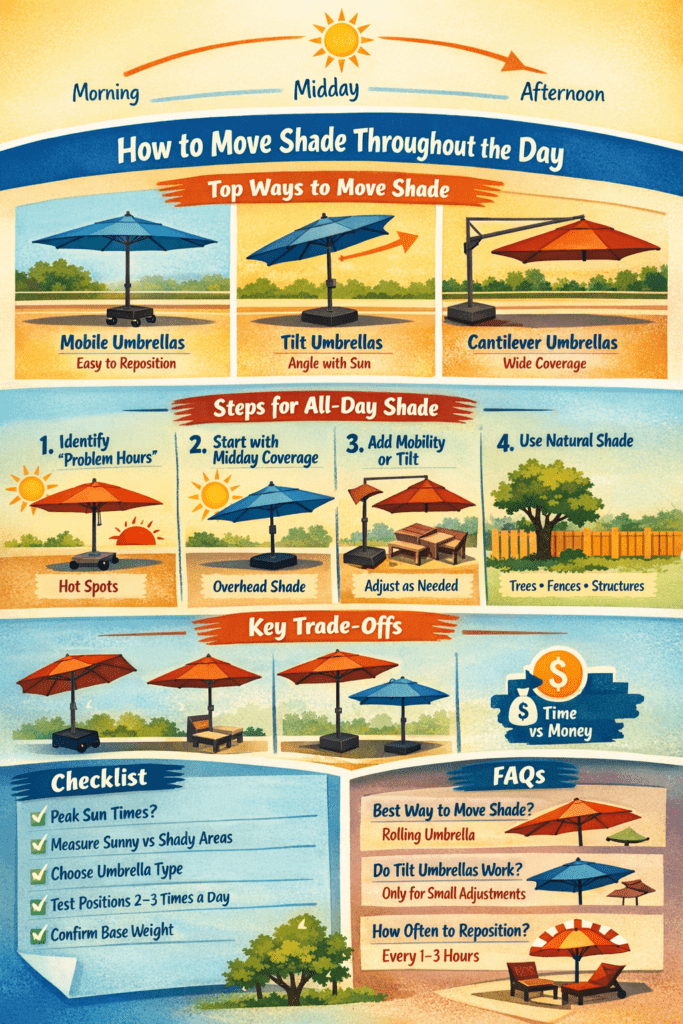
Once you understand how the sun moves and how your setup responds, you can make a few smart adjustments (or upgrades) and completely change how usable your patio feels.
Why Shade Moves (And Why It Matters)
The sun travels east to west, but the angle changes constantly—especially in the morning and late afternoon.
Here’s what that means in real life:
- Morning: long, low shadows from the east
- Midday: overhead sun = best coverage
- Late afternoon: harsh side-angle sun from the west
👉 This is why even a perfectly sized umbrella fails at certain times of day.
The 3 Best Ways to Move Shade (From Most to Least Flexible)
1. Mobile (Rolling) Umbrellas – Maximum Control
If you want full control without constantly rearranging furniture, this is the simplest solution.
Why it works:
- You can reposition the umbrella every 1–2 hours
- No need to drag heavy bases or lift anything
- Works especially well on patios with mixed sun exposure
👉 Explore examples here:
https://www.umbrellasonwheels.com/weighted-umbrella-base-with-wheels/
Best for:
- Dining areas that shift from sun to shade
- Pool decks with changing angles
- Anyone who doesn’t want to “fight the sun” all day
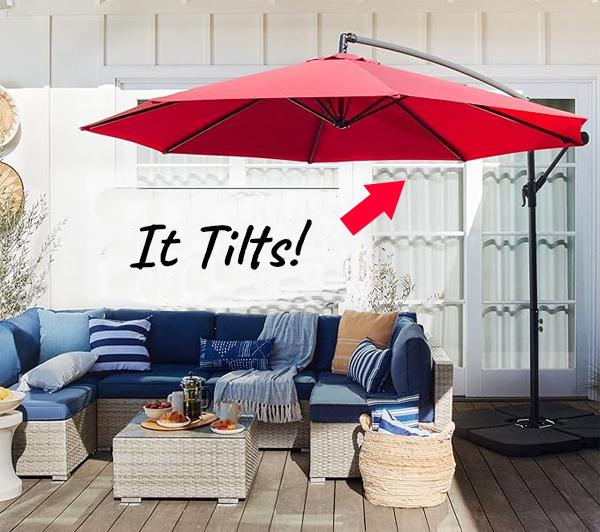
2. Tilt Umbrellas – Good for Fixed Setups
Tilt umbrellas let you angle the canopy as the sun lowers.
Pros:
- Simple and affordable
- Works well for morning or afternoon sun
Cons:
- Doesn’t help if the sun moves outside the umbrella’s footprint
- Still limited by where the base sits
👉 Works best when paired with proper sizing
3. Cantilever (Offset) Umbrellas – Wide Coverage
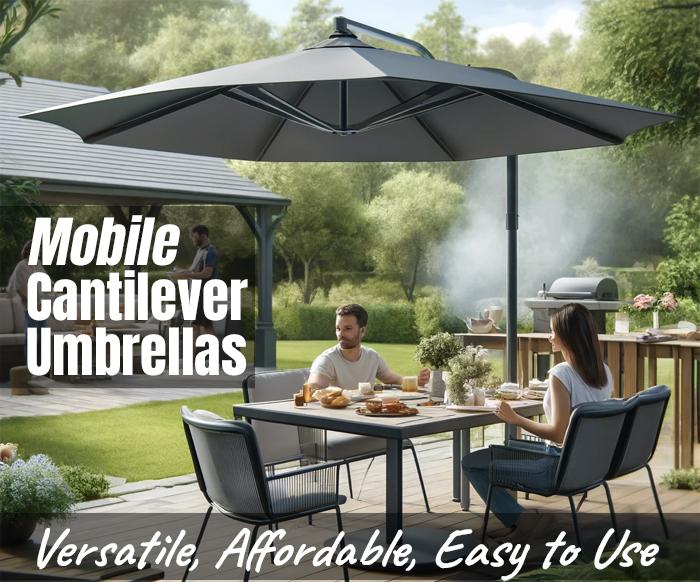
Cantilever umbrellas give you more reach without a center pole.
Pros:
- Covers larger areas
- Great for sectional seating
Cons:
- Heavy and harder to reposition
- Requires significant base weight
👉 Better for semi-fixed layouts like lounge zones
How I Personally Set Up a Patio for All-Day Shade
Here’s the strategy that consistently works:
Step 1: Identify Your “Problem Hours”
Ask yourself:
- When is the sun the most uncomfortable?
- Morning coffee? Afternoon heat?
That’s where you focus your solution.
Step 2: Start With Midday Coverage
Midday is easiest to solve—overhead sun = maximum umbrella efficiency. Once that’s covered, adjust for angles.
Step 3: Add Mobility or Tilt
- Small patio → tilt umbrella may be enough
- Larger patio → mobility becomes essential
Step 4: Use Natural Shade When Possible
Don’t ignore:
- Fences
- Trees
- Structures
Even partial shade reduces heat dramatically.
Trade-Offs You Should Know Before You Buy
Mobility vs Stability
- Mobile umbrellas = flexible but must be locked securely
- Fixed bases = stable but limiting
Size vs Adjustability
- Larger umbrellas cover more—but are harder to reposition
- Smaller umbrellas are easier to move—but require more adjustments
Convenience vs Cost
- Rolling systems cost more upfront
- But save time and frustration every single day
Realistic Expectations (This Will Save You Frustration)
Even with the best setup:
- You will still adjust shade occasionally
- Wind may limit positioning
- Late afternoon sun is always the hardest to block
👉 The goal isn’t perfection—it’s reducing how often you have to think about it
Product Recommendations (Based on Use Case)
Best Overall Flexibility
👉 Mobile umbrella systems
Explore: https://www.umbrellasonwheels.com/weighted-umbrella-base-with-wheels/
Best Budget Option
👉 9–10 ft tilt umbrella
Explore sizing: https://www.umbrellasonwheels.com/patio-umbrellas-with-wheels-and-tilt/
Best for Large Lounge Areas
👉 Cantilever umbrella with heavy base
Explore ideas: https://www.umbrellasonwheels.com/mobile-cantilever-umbrella/

Printable Checklist
Moving Shade Setup Checklist
✔ Identify peak sun times (morning vs afternoon)
✔ Measure shaded vs sunny areas
✔ Choose umbrella type (mobile / tilt / cantilever)
✔ Confirm base weight and stability
✔ Test positioning at 2–3 times of day
✔ Adjust or upgrade based on real use
Time to Complete
- Evaluate sun patterns: 10–15 minutes
- Choose setup: 20–30 minutes
- Adjust/test positioning: 15–20 minutes
FAQs
What is the easiest way to move shade during the day?
A rolling umbrella base is the easiest—no lifting, just reposition as needed.
Do tilt umbrellas really work?
Yes—but only for small angle adjustments. They won’t solve full sun movement.
How often should I reposition my umbrella?
Typically every 1–3 hours, depending on sun exposure.
What size umbrella works best for moving shade?
A 9–10 ft umbrella is the best balance of coverage and maneuverability.
Can I rely on one umbrella all day?
In most cases, no. You’ll either need mobility, tilt, or multiple shade sources.
Resources for More Information
- BBQGuys Patio Umbrella Size Guide
https://www.bbqguys.com/a/28834/learn/outdoor-living/buying-guides/umbrellas/sizes - Lowe’s Outdoor Umbrella Buying Guide
https://www.lowes.com/n/buying-guide/best-patio-umbrellas - Brookfield Residential Shade Planning Tips
https://www.brookfieldresidential.com/news-and-blog/complete-guide-to-patio-umbrellas
Conclusion
If you’ve been frustrated with patio shade, it’s not because you picked the wrong umbrella—it’s because you expected it to do something it’s not designed to do.
Shade moves. Always.
The trick is choosing a setup that moves with it, not against it. If you want the biggest improvement with the least effort, focus on mobility first. That one change tends to make everything else fall into place.


